Baek In-je House
Overview
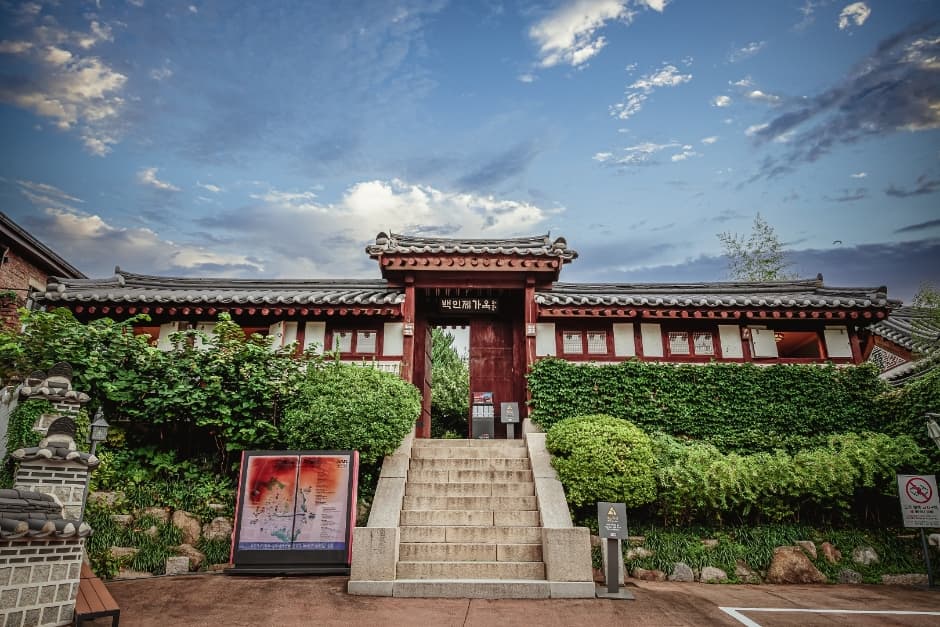
Baek In-je House, located in Bukchon Hanok Village, is a hanok built during the Japanese administration period that portrays modern hanok features. The structure consists of a main room offering a good view of the whole village, spacious bedrooms, a large garden, and annex buildings. As it maintains the beauty of a traditional hanok while incorporating the modern trend of its time, Baek In-je House is considered to be highly valuable in means of both architecture and history, representing the Bukchon Hanok Village together with Yun Bo-seon House.
Baek In-je House was built from black pine, which was first introduced in Seoul during the Gyeongseong Expo in 1907, distinguishing itself from other upper-class houses of its time. Unlike other traditional hanok designs that separate the main building from the other rooms, Baek In-je House connects the two with a hallway, allowing convenient access between the two structures. The house also consists of a Japanese-style hallway and floor mat rooms, reflecting the interior trends of that period. Baek In-je House is also unique in that the main room is partially built as a two-story structure, a style that was never seen in any traditional hanok built during the Joseon period.
Nearby Places
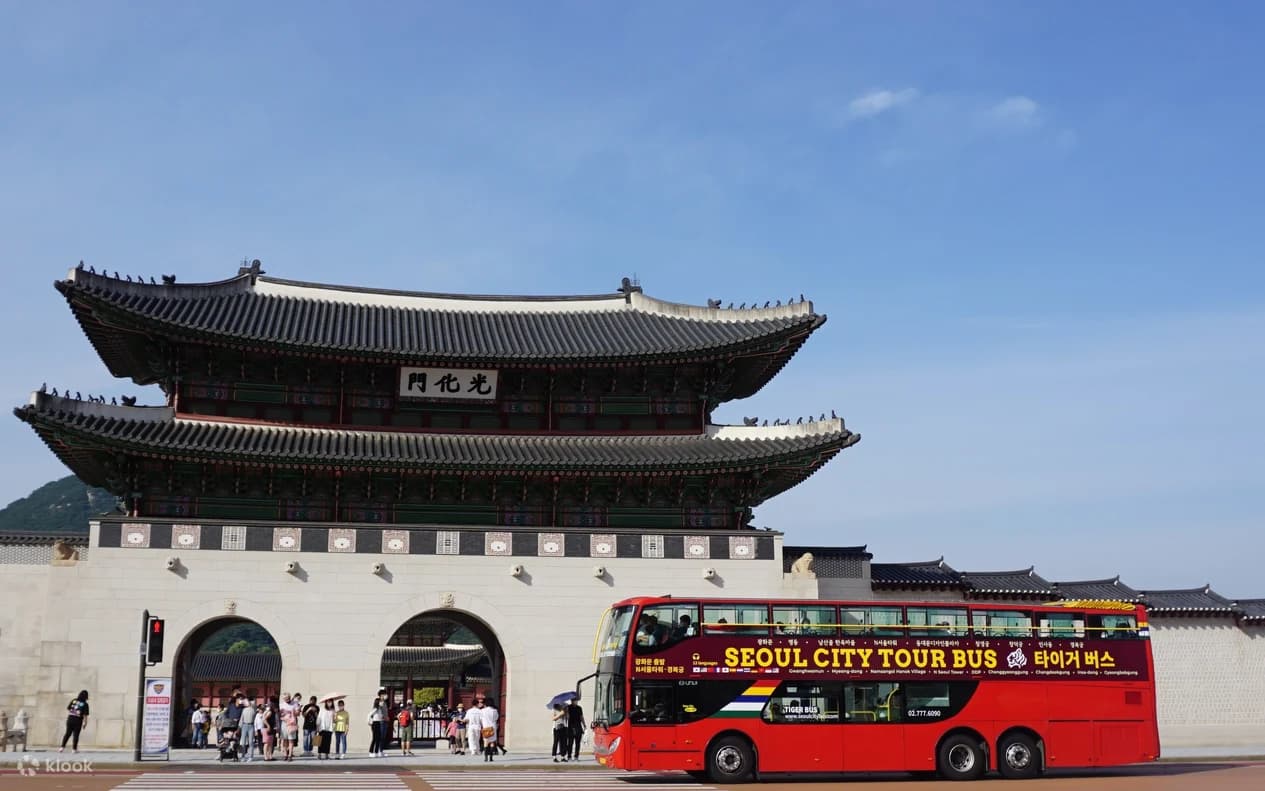
Seoul City Tour Bus Downtown Palace Namsan Course Guide
## Highlights - Exchange your ticket at the Gwanghwamun ticket office before boarding. - The route loops through major Seoul sights including Myeongdong, Cheong Wa Dae, Namsan, and Hanok Village. - Get off at stops you want to explore, then board the next bus later. - Depending on reservation and traffic conditions, the vehicle may be an open-top double-decker, open single-decker, or regular double-decker bus. - Outside food and drinks are not allowed inside the bus. Booking link: https://affiliate.klook.com/redirect?aid=126864&aff_adid=1335961&k_site=https%3A%2F%2Fwww.klook.com%2Fko%2Factivity%2F87163-seoul-city-tour-bus-seoul-trip-center-palaces-course-hop-on-hop-off-bus-tour-seoul
Bukchon Hanok Village
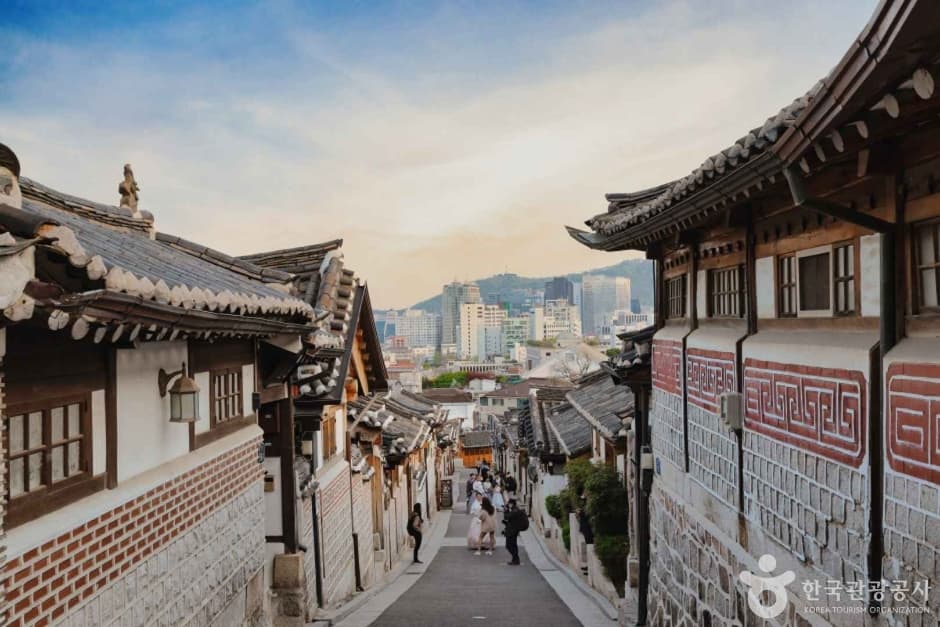
Surrounded by Gyeongbokgung Palace, Changdeokgung Palace and Jongmyo Shrine, Bukchon Hanok Village is home to hundreds of traditional houses, called hanok , that date back to the Joseon dynasty. The name Bukchon, which literally translates to "northern village," came about as the neighborhood lies north of two significant Seoul landmarks, Cheonggyecheon Stream and Jongno. Today, many of these hanoks operate as cultural centers, guesthouses, restaurants and tea houses, providing visitors with an opportunity to experience, learn and immerse themselves in traditional Korean culture. As Bukchon Hanok Village is an actual neighborhood with people's homes, visitors are advised to be respectful at all times while looking around.
Comments 0
NewestBe the first to comment on this Guides.