Alleys of Changsin-dong
Overview
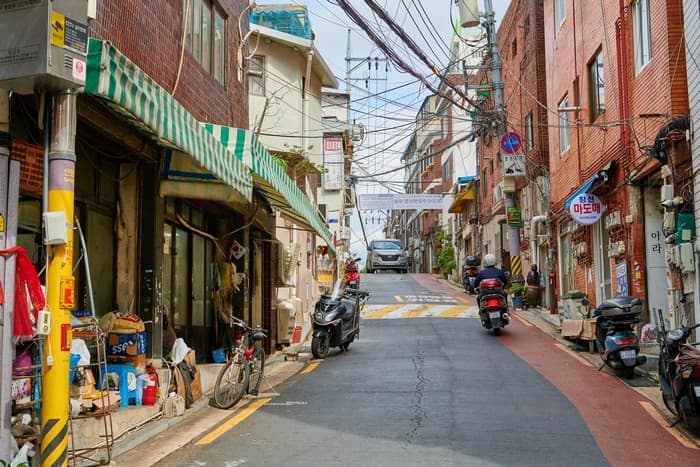
K-movie <PARASITE> - A town full of nostalgia
On the day Kitaek's family returned home, the torrential rain flowed ferociously in streams. The alleys of Changsin-dong, with its narrow and steep stairs, were a good backdrop for visually representing the condition of the Kitaek’s family, who were about to fall. Changsin-dong is a warm and charming neighborhood where traces of the 70s and 80s can be felt.
Nearby Places
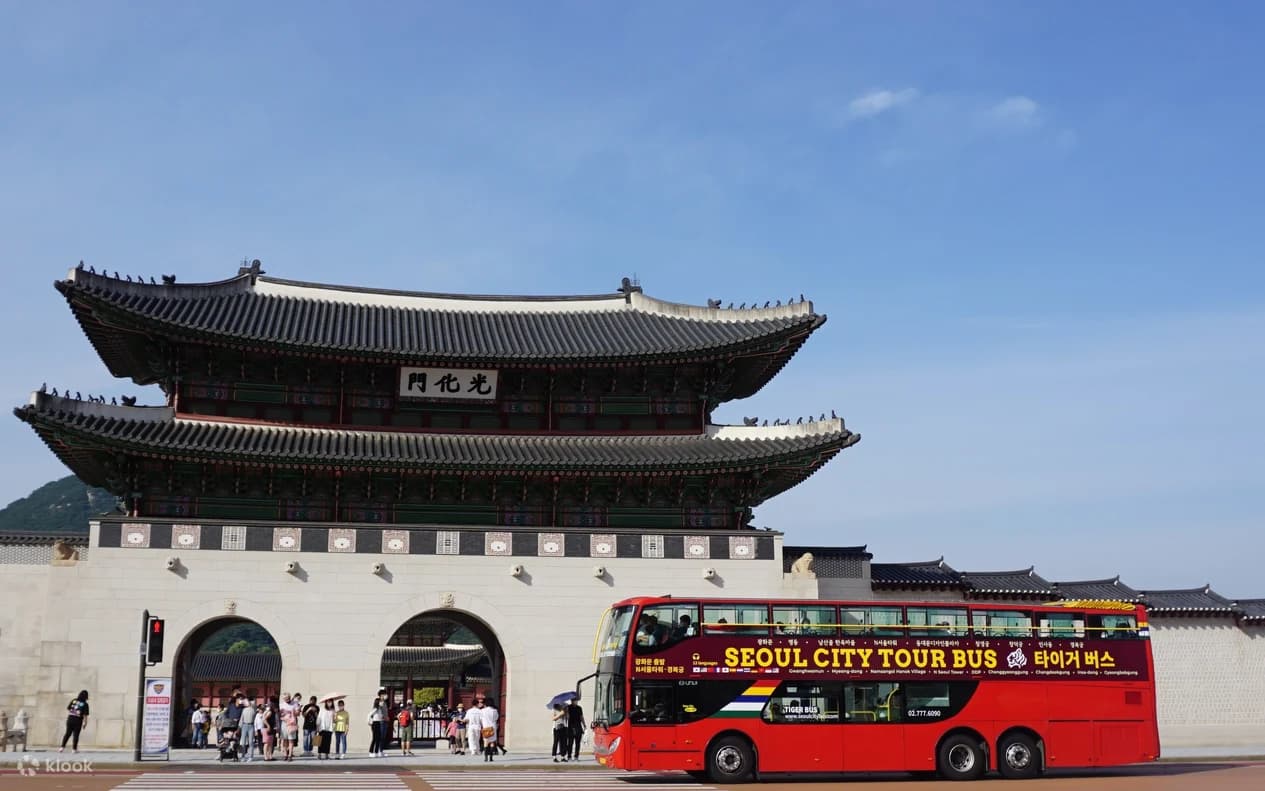
Seoul City Tour Bus Downtown Palace Namsan Course Guide
## Highlights - Exchange your ticket at the Gwanghwamun ticket office before boarding. - The route loops through major Seoul sights including Myeongdong, Cheong Wa Dae, Namsan, and Hanok Village. - Get off at stops you want to explore, then board the next bus later. - Depending on reservation and traffic conditions, the vehicle may be an open-top double-decker, open single-decker, or regular double-decker bus. - Outside food and drinks are not allowed inside the bus. Booking link: https://affiliate.klook.com/redirect?aid=126864&aff_adid=1335961&k_site=https%3A%2F%2Fwww.klook.com%2Fko%2Factivity%2F87163-seoul-city-tour-bus-seoul-trip-center-palaces-course-hop-on-hop-off-bus-tour-seoul
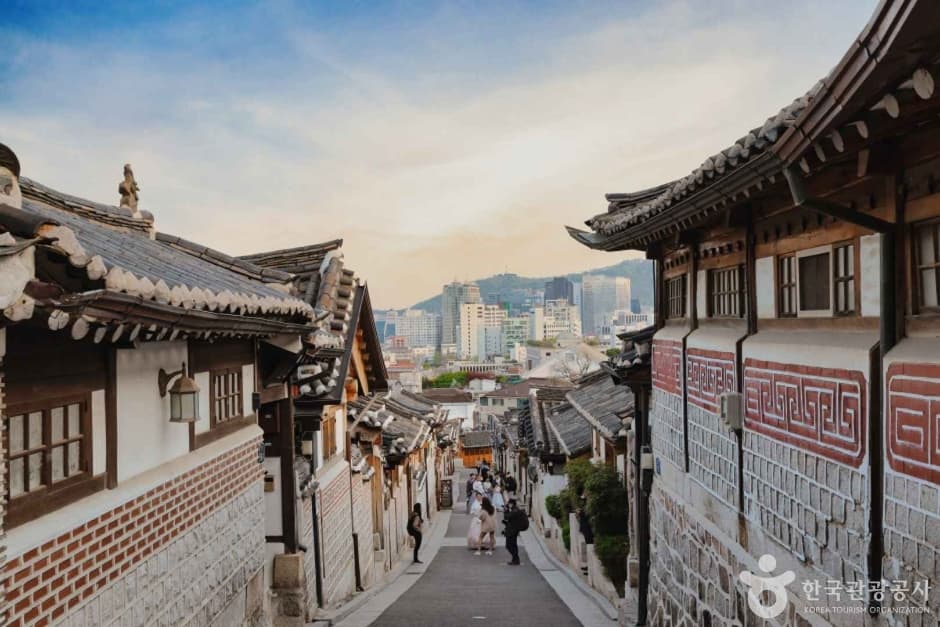
Bukchon Hanok Village
Surrounded by Gyeongbokgung Palace, Changdeokgung Palace and Jongmyo Shrine, Bukchon Hanok Village is home to hundreds of traditional houses, called hanok , that date back to the Joseon dynasty. The name Bukchon, which literally translates to "northern village," came about as the neighborhood lies north of two significant Seoul landmarks, Cheonggyecheon Stream and Jongno. Today, many of these hanoks operate as cultural centers, guesthouses, restaurants and tea houses, providing visitors with an opportunity to experience, learn and immerse themselves in traditional Korean culture. As Bukchon Hanok Village is an actual neighborhood with people's homes, visitors are advised to be respectful at all times while looking around.
Comments 0
NewestBe the first to comment on this Guides.