Korea Plus +
Home
Community
Spotlight
Events
Guides
ActivityEat & ShopRegional GuidesAccommodationLiving guide
Korea Now
Korea Picks
Saju
Korea Plus +
HomeCommunitySpotlightEvents
Guides
ActivityEat & ShopRegional GuidesAccommodationLiving guide
Korea NowKorea PicksSaju
Korea Plus +

Korea Plus + helps international visitors and residents find Korea news, events, travel information, history context, and community discussions in English.

Information may change, so always check official sources before booking or visiting.

Support

koreaplus.support@gmail.comTerms of ServicePrivacy PolicyAbout Us@korea.plus_official

Made by

DNA Studio

Insights by

Plugspace
PayPal QR code for supporting Korea Plus +Support Korea Plus +

© 2026 Korea Plus +. All rights reserved.

Back to Regional Guides
SeoulCulture & Museums

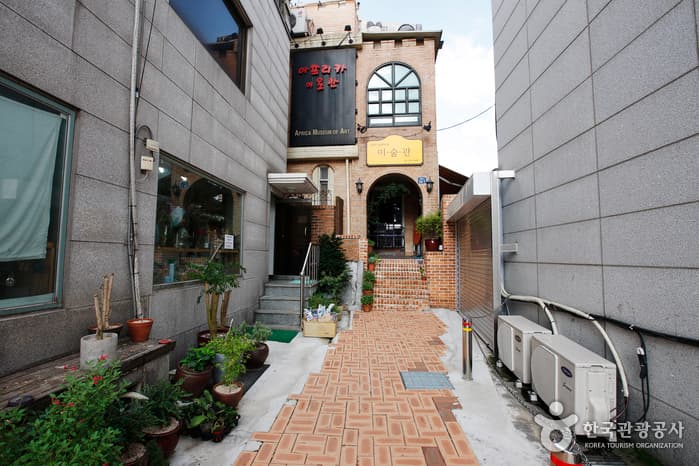
Africa Museum of Art
0 Views 0 Likes 0 CommentsJul 1, 2026
ENG|JP|ZH|KR
Africa Museum of Art selected image

Overview

The Africa Museum of Art was established with the purpose of hosting various art festivals and providing the grounds for researching various art themes. A major principle of the gallery is to promote works of art that actively attempt to explore the human mind.

Information

Address
24-1, Samcheong-ro, Jongno-gu, Seoul
Opening Hours
10:30-18:30
Closed Days
Tuesdays * Inquire in advance
Admission Fee
Adults 3,000 won / Children (ages 5-18) 2,000 won * Inquire in advance
Comments 0

Comments 0

Newest

Be the first to comment on this Guides.

Nearby Places

Seoul City Tour Bus Downtown Palace Namsan Course Guide image

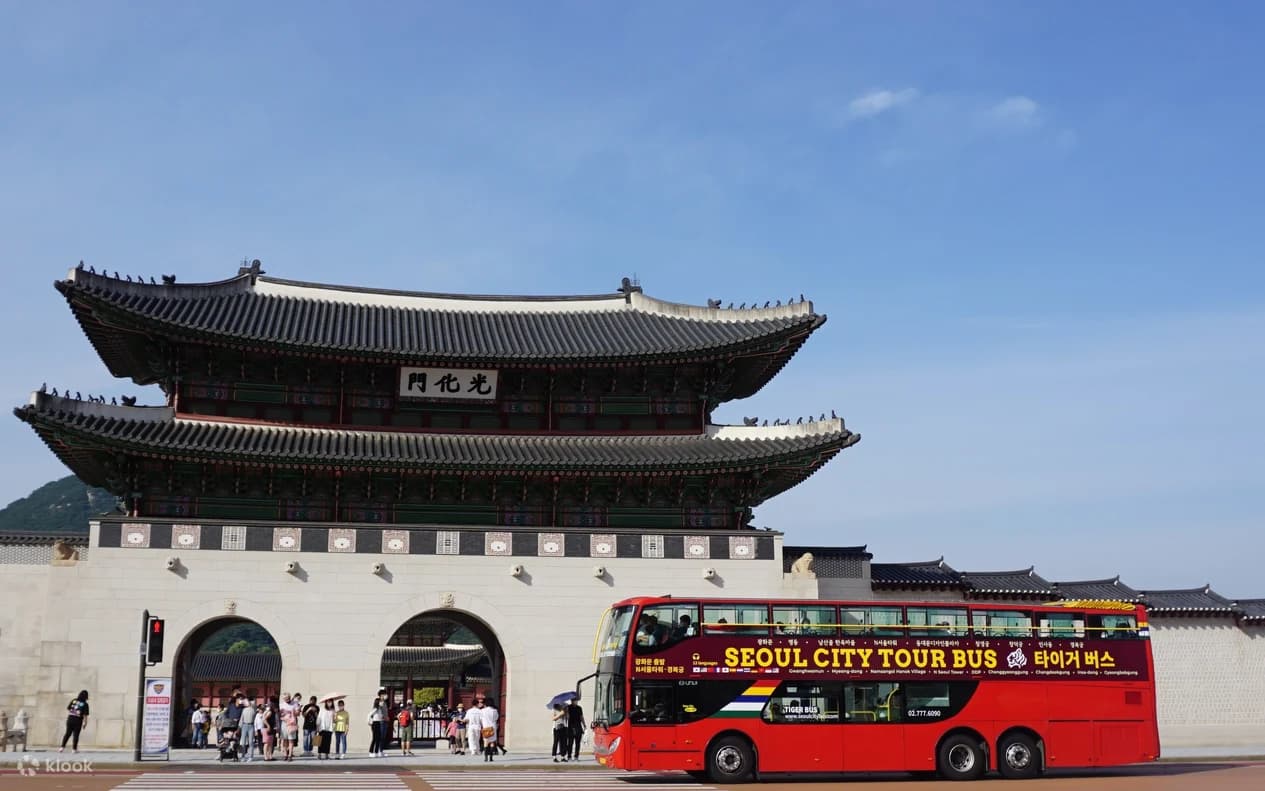
Seoul City Tour Bus Downtown Palace Namsan Course Guide

## Highlights - Exchange your ticket at the Gwanghwamun ticket office before boarding. - The route loops through major Seoul sights including Myeongdong, Cheong Wa Dae, Namsan, and Hanok Village. - Get off at stops you want to explore, then board the next bus later. - Depending on reservation and traffic conditions, the vehicle may be an open-top double-decker, open single-decker, or regular double-decker bus. - Outside food and drinks are not allowed inside the bus. Booking link: https://affiliate.klook.com/redirect?aid=126864&aff_adid=1335961&k_site=https%3A%2F%2Fwww.klook.com%2Fko%2Factivity%2F87163-seoul-city-tour-bus-seoul-trip-center-palaces-course-hop-on-hop-off-bus-tour-seoul
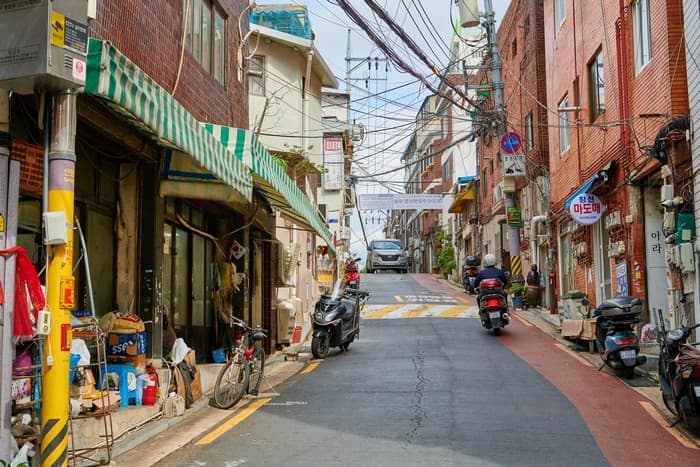
ARKO Art Center image

ARKO Art Center

ARKO Art Center was founded in 1974 as Misulhoegwan in a building of former Deoksu Hospital in Gwanhun-dong, Jongno-gu to offer much-needed exhibition space for artists and arts groups. In 1979, Misulhoegwan moved to its present building, designed by preeminent Korean architect Kim Swoo-geun (1931-1986) and located in Marronnier Park, the former site of Seoul National University. The two neighboring brick buildings accommodating ARKO Art Center and ARKO Arts Theater are the major landmarks of the district of Daehakro. As more public and private museums and commercial galleries came into the art scene in the 1990s, Misulhoegwan shifted to curating and presenting its own exhibitions. Renamed as Marronnier Art Center in 2002, ARKO Art Center assumed a full-fledged art museum system and played an increasingly prominent role as a public arts organization leading the contemporary art paradigm. When The Korea Culture and Arts Foundation was reborn as Arts Council Korea, Marronnier Art Center became ARKO Art Center named after the abbreviation for Arts Council Korea in 2005. ARKO Art Center is committed to working as a platform where research, production, exhibitions and the exchange of creative activities grow and develop in connection with one another in addition to having a diversity of programs including thematic exhibitions addressing social agenda and public programs widely promoting various discourses in art.

Bukchon Hanok Village image

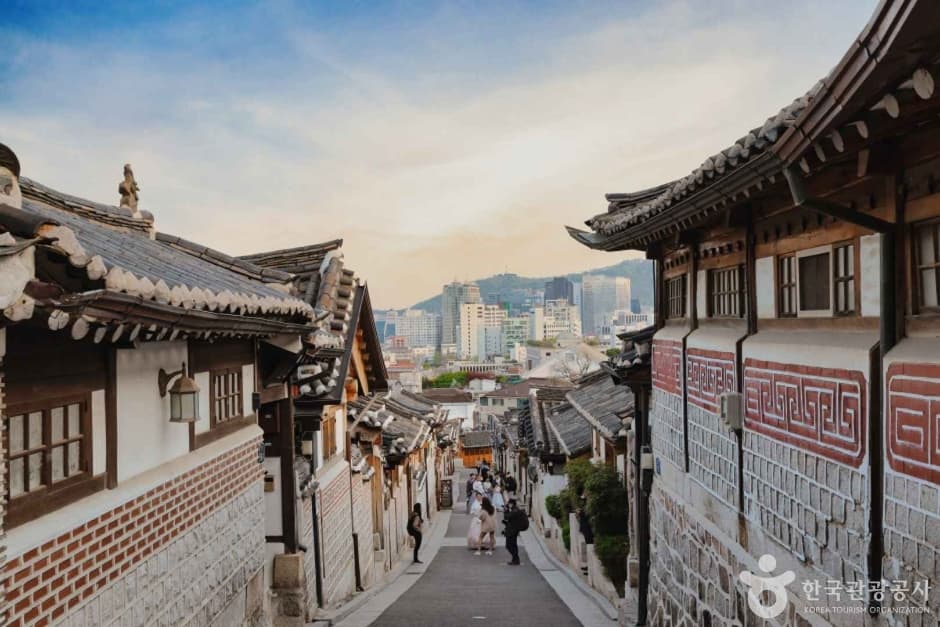
Bukchon Hanok Village

Surrounded by Gyeongbokgung Palace, Changdeokgung Palace and Jongmyo Shrine, Bukchon Hanok Village is home to hundreds of traditional houses, called hanok , that date back to the Joseon dynasty. The name Bukchon, which literally translates to "northern village," came about as the neighborhood lies north of two significant Seoul landmarks, Cheonggyecheon Stream and Jongno. Today, many of these hanoks operate as cultural centers, guesthouses, restaurants and tea houses, providing visitors with an opportunity to experience, learn and immerse themselves in traditional Korean culture. As Bukchon Hanok Village is an actual neighborhood with people's homes, visitors are advised to be respectful at all times while looking around.