Korea Plus +
Home
Community
Spotlight
Events
Guides
ActivityEat & ShopRegional GuidesAccommodationLiving guide
Korea Now
Korea Picks
Saju
Korea Plus +
HomeCommunitySpotlightEvents
Guides
ActivityEat & ShopRegional GuidesAccommodationLiving guide
Korea NowKorea PicksSaju
Korea Plus +

Korea Plus + helps international visitors and residents find Korea news, events, travel information, history context, and community discussions in English.

Information may change, so always check official sources before booking or visiting.

Support

koreaplus.support@gmail.comTerms of ServicePrivacy PolicyAbout Us@korea.plus_official

Made by

DNA Studio

Insights by

Plugspace
PayPal QR code for supporting Korea Plus +Support Korea Plus +

© 2026 Korea Plus +. All rights reserved.

Back to Regional Guides
Jeonnam-GwangjuCulture & Museums

Korea Gasa Literature Collection

2 Views 0 Likes 0 CommentsJul 1, 2026
ENG|JP|ZH|KR
Korea Gasa Literature Collection selected image

Overview

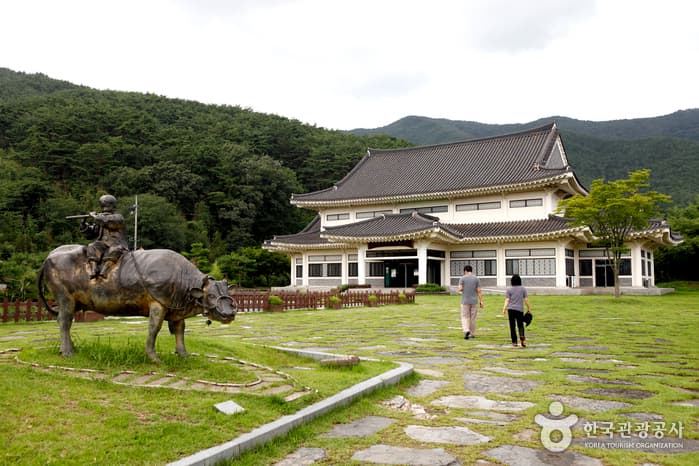
The Gasa Literature Collection was completed in October 2000 and is located in Damyang, Jeollanam-do, an area which is famous for its fertile land and rich historical heritage. Apart from the main building, additional buildings include a souvenir shop, and traditional tea house. In the museum, historical literature such as “Myeonangjip” (a collection of Gasa poems by Song Sun) and “Songgangjip,” (a collection of Gasa poems by Jeong Cheol) are on display. There are 11,461 artifacts and literature on Gasa culture, 18 Gasa works, and 15,000 books about Gasa.
Information

Address
877, Gasamunhak-ro, Damyang-gun, Jeonnam-Gwangju Special Metropolitan City
Opening Hours
November-February 09:00-17:00 / May-August 09:00-19:00 / March, April, September, October 09:00-18:00
Closed Days
N/A (Open all year round)
Admission Fee
Individuals: Adults 2,000 won / Teenagers 1,000 won / Children 700 won Groups: Adults 1,600 won / Teenagers 700 won / Children 500 won * Groups: 20 people or more * Free admission: Preschoolers, senior citizens (ages 65 & older)
Visit official website
Comments 0

Comments 0

Newest

Be the first to comment on this Guides.

Nearby Places

Dorisan Observatory image

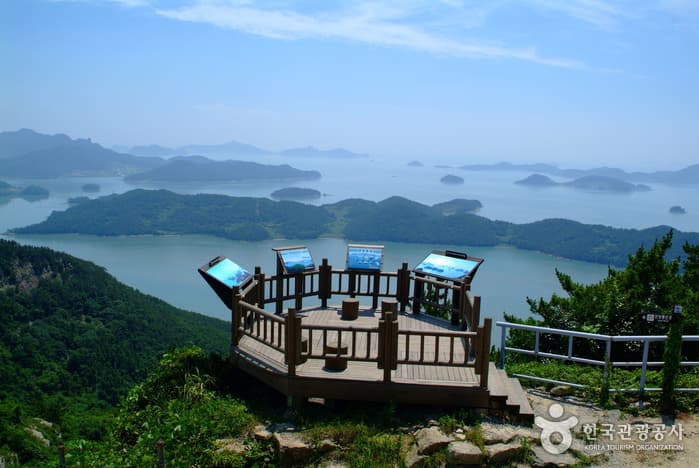
Dorisan Observatory

Located at the top of Mt. Dorisan in Yeomi-ri of Sangjodo Island, Dorisan Observatory is the highlight of the area, and offers panoramic views of Dadohae and its many islands including Gwanmae, Byeongpung, Nabae, Daema and Soma Islands. The eco-friendly structure provides panoramic views of nearby islands that locals like to say, “appear scattered over the sea like a flock of birds over water.” Visitors can enjoy majestic sunrise and sunset views, and on days with clear visibility, can see Bogildo Island in Haenam and even as far as Hallasan Mountain and Chujado Island in Jeju. Another of Jodo’s attractions is the nature lover spots on Hajodo Island. Jodo is comprised of the Sangjodo and Hajodo Islands connected by a bridge. The entire area is filled with pine trees and has plenty of beach access. The nearby Dondaebong Peak (230m) and the Hajodo Lighthouse offer comparable views and scenic landscapes for visitors in the area to enjoy.

Hwawon Oceano Tourism Complex image

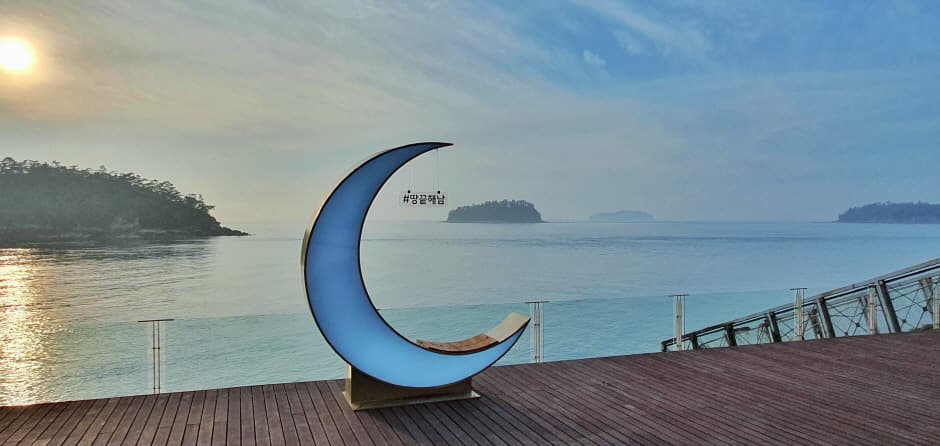
Hwawon Oceano Tourism Complex

Set before the beautiful Korean archipelago, Hwawon Oceano Tourism Complex offers visitors a romantic beachside camping experience with a large campground and convenience amenities such as shower stalls. The campsite is particularly beautiful at sunset and night when stars fill the sky. Currently, the complex offers a golf course in addition to the campground, with plans to add a culture & arts center and marine world zone. Particularly, Pine Beach Golf Course located inside the tourism complex is surrounded by the ocean on three sides, and is perfect for playing a round of golf toward the endless ocean. The course is regarded as Asia’s Pebble Beach, a small coastal resort destination and home to famous golf courses in California.

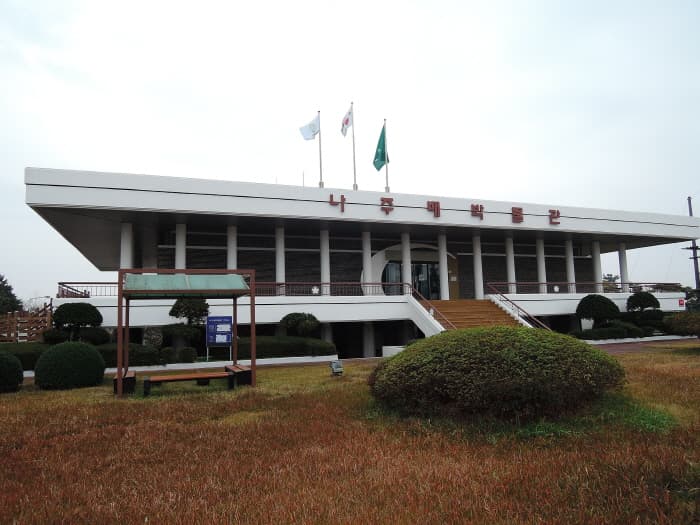
Naju Pear Museum image

Naju Pear Museum

Known as the birthplace of Korean pears, Naju pears are well-known for its long history. The fruit was exported worldwide starting in 1967. The Naju Pear Museum promotes the fruit and is a learning center for its agricultural history. The museum opened on April 20, 1992 and is the world's only pear museum.