Gwangju Arts Center
Overview
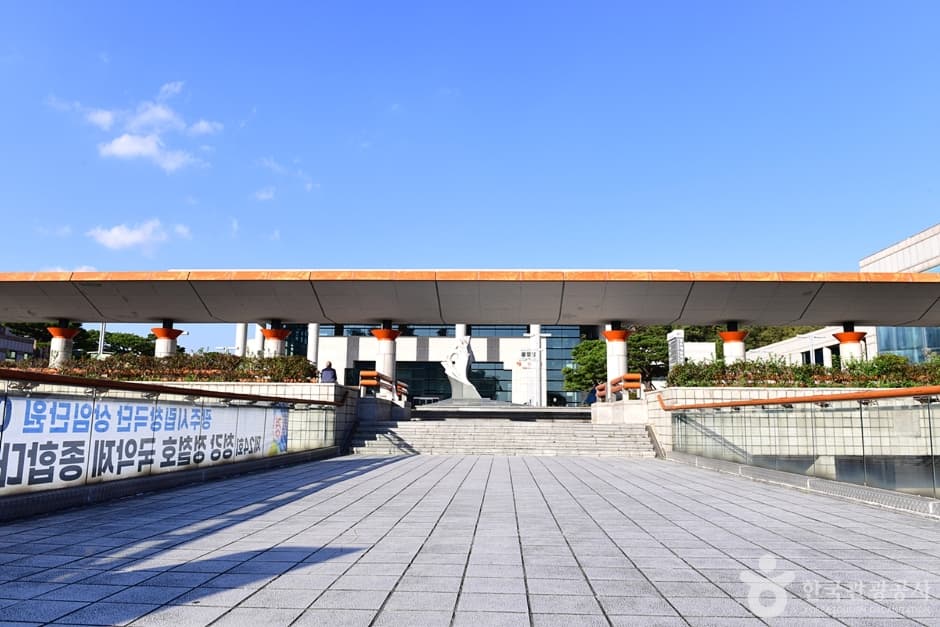
Opened in 1991, the Gwangju Arts Center is the cornerstone of culture and arts in Gwangju. It offers high-quality performances and exhibitions across various genres, including Korean traditional music, opera, classical music, and ballet. The center boasts a range of artistic facilities, such as a main theater, a secondary theater, a traditional music hall, a sculpture garden, and an amphitheater. The main theater has a seating capacity for up to 1,500 people.
Nearby Places
Gwangju National Museum
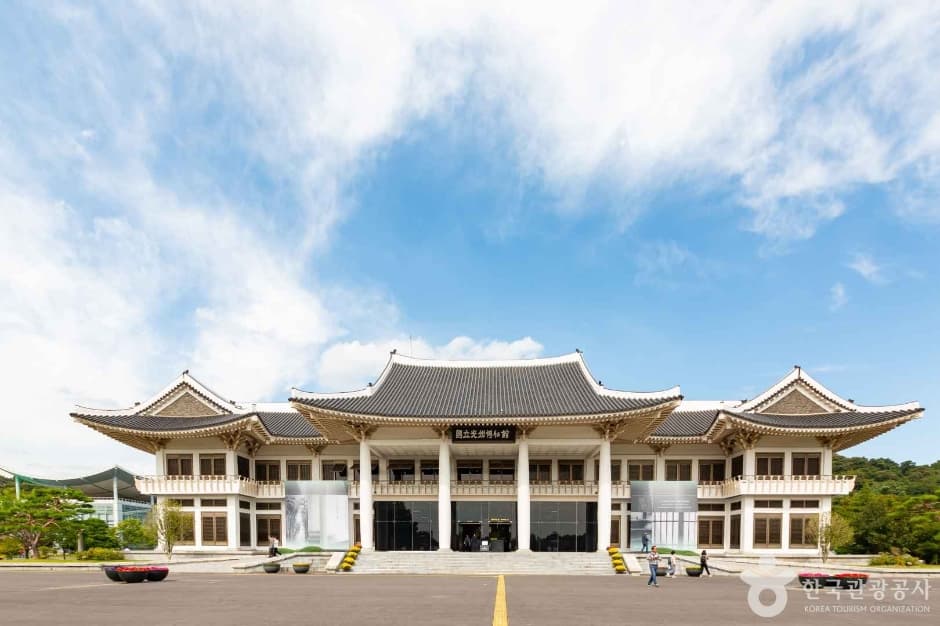
Gwangju National Museum, opened on December 6, 1978, was established to promote the development of cultural arts and to foster patriotism. Gwangju National Museum’s goal is to conserve cultural values through the collection and preservation of historical and valuable artifacts found in the Gwangju and Jeollanam-do regions as well as make contributions to the community through continuous research, exhibition, and education. With over 160,000 artifacts as well as various educational and experience programs, the museum aims to provide an enjoyable cultural center for visitors.
Jungoe Park
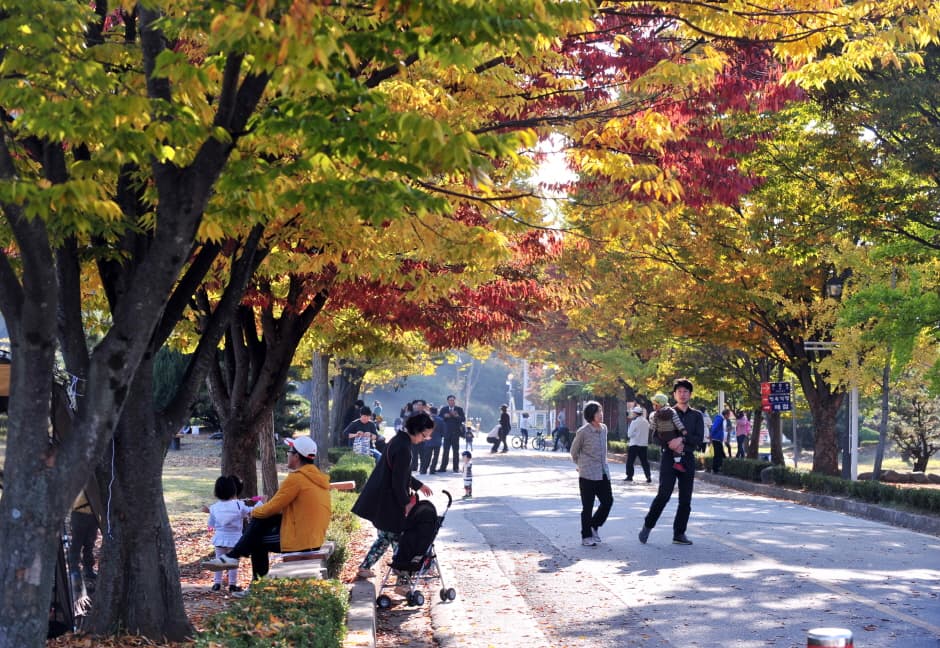
Jungoe Park is one of the nation's most famous leisure spaces. There is a children's grand park, the Olympic Garden, and the Olympic Monument. The children's grand park is especially popular on weekends and holidays. There is also a folk museum, an education center, and the Biennale Exhibition Hall in the Biennale & Museum section of the park. The park is most popular during fall for its beautiful foliage. In addition, the Rainbow Bridge is a symbol of the Biennale and was installed during the 1st Gwangju Biennale.
Comments 0
NewestBe the first to comment on this Guides.